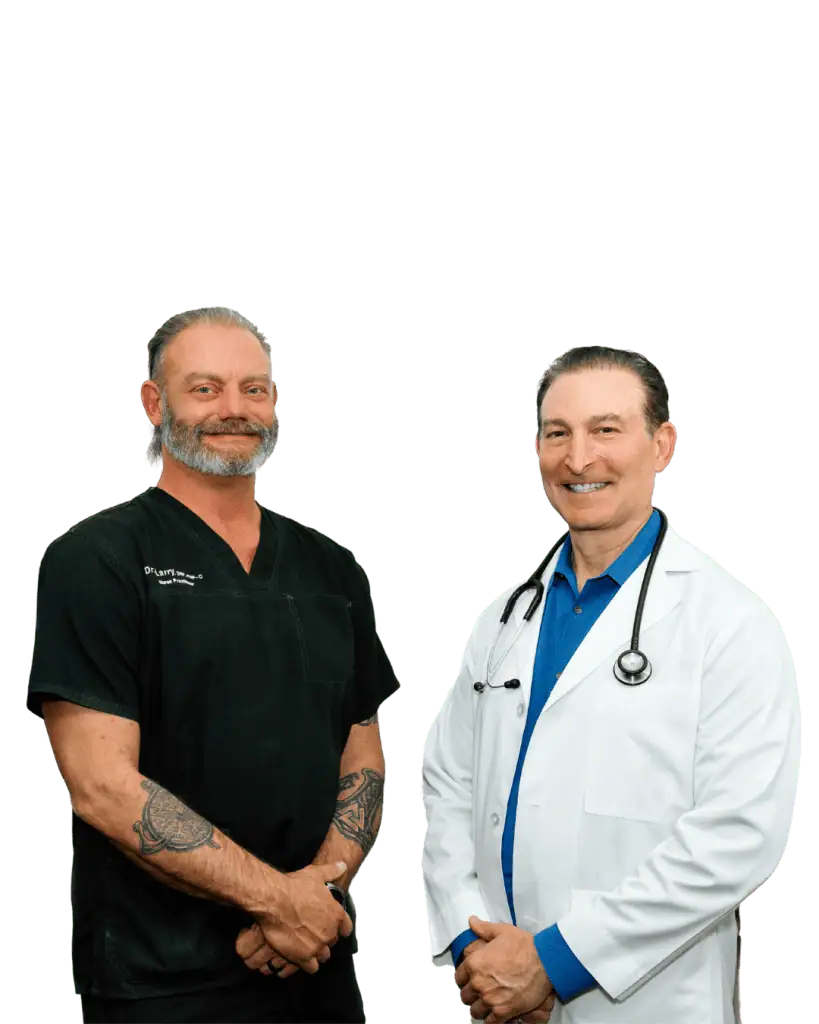
On February 7th, myself and many more of our brave team members at our clinic will be running into the Atlantic Ocean at the Virginia Beach Oceanfront. On purpose. Yes, in the middle of winter. Are we crazy? Maybe a little. But there is incredible value that can be gained from doing this.
This will be my second polar plunge, but the first time I’m doing it for something bigger than myself. Our team at Optimized Hormones is joining the Virginia Beach Polar Plunge to support Special Olympics Virginia and the more than 20,000 athletes they serve across the Commonwealth.
At our clinic, we’ve always believed that true wellness is built not only through medical care, but through compassion, community, and showing up for others. The Special Olympics embodies values that closely align with our own: resilience, determination, and the belief that everyone deserves the opportunity to thrive. Their athletes continually remind us that strength comes in many forms, and that courage often means stepping outside your comfort zone like we will be doing as we step into the frigid waters.
Last time I took a cold plunge, it wasn’t for charity. It was personal curiosity about feeling the medical impacts of cold plunge therapy first hand. But that experience reminded me of something I already knew from the research: cold water does remarkable things to your body’s hormonal systems. And since hormones are what we do at our clinic, I thought it was worth explaining what actually happens when you willingly step into freezing water.
What Happens to Your Hormones in Cold Water
When your body hits cold water, it triggers an immediate cascade of hormonal responses. This isn’t speculation; it’s been measured in controlled studies.
One of the most cited studies on this topic, published in the European Journal of Applied Physiology, found that immersion in 14°C (57°F) water produced dramatic hormonal shifts:
Norepinephrine increased by 530%
This neurotransmitter sharpens focus, increases alertness, and plays a key role in your body’s stress response and energy regulation.
Dopamine increased by 250%
Often called the “reward” neurotransmitter, dopamine influences motivation, drive, and that sense of accomplishment you feel after doing something challenging.
Cortisol actually decreased
Contrary to what you might expect from a stress response, cortisol levels tended to drop during cold immersion.
What’s particularly interesting is how long these effects last. The norepinephrine elevation can persist for hours after you get out of the water. That’s why many people who practice regular cold exposure report feeling more alert and energized throughout the entire day, and not just in the moment they do it.
From a hormone optimization perspective, this matters. Many of my patients come to us dealing with low energy, poor focus, and that general feeling of being “off.” While cold exposure isn’t a replacement for proper hormone therapy, it’s one more tool that can be added to support the systems we’re trying to optimize.
The Physical Benefits Beyond the Initial Shock

The hormonal response is just part of the picture. Research continues to uncover additional physical benefits of cold water immersion.
Recovery and Inflammation
A 2025 systematic review published in PLOS ONE analyzed 11 studies involving over 3,000 participants. The researchers found that cold water immersion produced measurable effects on the body’s inflammatory response and contributed to reduced perceived stress 12 hours after exposure.
For anyone who exercises regularly, the recovery benefits are worth noting. Cold exposure has long been used by athletes to reduce delayed-onset muscle soreness, and the research supports this application.
Metabolic Effects
Cold exposure activates brown adipose tissue, the type of fat that actually burns energy to generate heat. This process, along with the overall metabolic demand of thermoregulation, means your body works harder during and after cold immersion. Some studies have also shown improvements in insulin sensitivity following cold water therapy protocols.
Sleep Quality
The same systematic review found improvements in sleep quality among participants. This makes sense when you consider the parasympathetic activation that occurs as your body recovers from cold exposure. Essentially, cold water triggers a controlled stress response, and the recovery phase activates your “rest and digest” nervous system.
Important Safety Considerations
I’d be doing you a disservice if I only talked about the benefits. Cold water immersion carries real risks, (especially when you are jumping into frigid ocean waters in February) and certain people should approach it with extra caution, or avoid it entirely.
The Cold Shock Response
When you first enter cold water, your body experiences an involuntary gasp reflex, rapid heart rate increase, and spike in blood pressure. This is normal, but it’s also why you should never dive headfirst into freezing cold water, and why supervised, gradual entry is especially important for beginners.
Who Should Be Cautious
If you have any of the following conditions, talk to your healthcare provider before attempting cold water immersion:
• Cardiovascular disease or history of heart problems
• Uncontrolled high blood pressure
• Arrhythmias or irregular heartbeat
• Respiratory conditions that could be triggered by the cold shock response
This isn’t about being overly cautious. The combination of cold shock and underlying cardiovascular issues has led to serious events. If you’re on a hormone therapy protocol with us or any other provider, discuss cold exposure as part of your overall health strategy.
Start Gradually
While we are doing the polar plunge this year as a group fundraiser, you don’t actually need to jump into the Atlantic Ocean in order to get benefits. Cold showers at the end of your regular shower, starting with 30 seconds and building up, can provide many of the same hormonal responses at a much lower risk. The key is consistency over intensity.
Getting Started with Cold Exposure

If you’re interested in trying cold water therapy, here’s a practical approach:
Temperature Range: Research typically uses water between 50-59°F (10-15°C). You want it cold enough to be challenging but not so extreme that it becomes dangerous.
Duration: Start with 1-2 minutes and work your way up. Some protocols suggest accumulating around 11 minutes per week total is sufficient for most benefits.
Frequency: 2-4 sessions per week appears to be the sweet spot in most studies. More isn’t necessarily better, and your body needs time to adapt.
Breathing: Focus on controlling your breathing when you enter the water. The urge to hyperventilate is strong, but slow, deliberate breaths help you adapt more quickly.
Join Us at the Polar Plunge
If you’ve been curious about cold exposure, the Virginia Beach Polar Plunge on February 7th is a chance to try it while supporting an incredible cause.
Special Olympics Virginia provides year-round sports training and competition to athletes with intellectual disabilities across the Commonwealth. The Polar Plunge is their largest annual fundraiser, and last year’s Virginia Beach event raised over $1.3 million.
You can join our team, make a donation, or simply come out to the Hilton Virginia Beach Oceanfront and cheer everyone on. The plunge happens at 1 pm, with live music, and plenty of hot chocolate.
By taking the plunge, we’re stepping outside our comfort zone for something that matters. Braving the cold is a small challenge compared to the impact this organization makes year-round. Whether you join us or not, it’s a reminder that sometimes doing hard things (especially together!) creates benefits that go far beyond what any single person could achieve alone.
Frequently Asked Questions
How cold does the water need to be to get hormonal benefits?
Research shows benefits begin at water temperatures of 59°F (15°C) or below. Most studies showing significant hormonal changes use temperatures between 50-59°F. The February Atlantic Ocean at Virginia Beach typically ranges from 45-50°F, which is well within the effective range.
How long do I need to stay in cold water?
Even brief exposures of 1-2 minutes can trigger hormonal responses. Studies showing the 530% norepinephrine increase used immersion periods of about one hour, but shorter durations still produce meaningful effects. For most people, building up to 2-5 minutes is practical and effective.
Is cold water immersion safe if I’m on hormone replacement therapy?
Cold exposure affects multiple hormonal systems, so it’s worth discussing with your provider. In most cases, cold water therapy can fully complement your hormone optimization protocols, but individual factors always matter. If you’re a patient at our clinic, bring it up at your next appointment so we can factor it into your overall plan.
Can I get similar benefits from cold showers instead of full immersion?
Cold showers can activate many of the same pathways, though the response is generally less pronounced than full body immersion. They’re an excellent starting point and lower risk option. End your regular shower with 30-90 seconds of cold water and gradually increase duration as you adapt.
Who should avoid cold water immersion entirely?
People with uncontrolled cardiovascular conditions, serious arrhythmias, or Raynaud’s disease should avoid cold water immersion unless cleared by their physician. The cold shock response causes rapid changes in heart rate and blood pressure that can be dangerous for those with underlying heart conditions. When in doubt, start with cold showers and consult your healthcare provider.
Interested in how cold exposure might fit into your overall health strategy?
Book a consultation at Optimized Hormones to discuss your goals.